
Driveway Power Washing Health & Safety Policy
This Health and Safety Policy describes safe working practices for driveway power washing delivered by a gardening company in its service area. It sets out responsibilities, core procedures and risk control measures for all staff engaged in driveway pressure washing and related exterior cleaning tasks. The policy emphasises prevention, safe equipment use and environmental protection while remaining practical for both residential driveway power wash and small-scale commercial driveway cleaning jobs.
Purpose and Scope
This policy applies to every employee, contractor and trainee involved in driveway surface cleaning, jetting, chemical cleaning and surface preparation. It covers planning, site setup, personal protective equipment, operator competence, spill containment and customer property protection. Its aim is to reduce slips, trips, manual handling injuries, equipment-related incidents and environmental harm during any form of driveway power washing or pressure-clean services.
Responsibilities and Training
 Management must ensure that teams are trained in safe operation of pressure washers, safe use of detergents and in incident reporting procedures. All operatives shall be familiar with the safe system of work for driveway cleaning and demonstrate competency prior to unsupervised work. Supervisors should conduct pre-job briefings and confirm risk assessments are in place for each site.
Key staff responsibilities include:
- Carrying out pre-start equipment checks and tagging defective items.
- Completing site-specific risk assessments and method statements.
- Ensuring PPE is supplied, used and maintained.
- Stopping work when hazards are identified that cannot be controlled immediately.
Risk Assessment and Site Preparation
Before starting any driveway cleaning, a thorough risk assessment must be completed. Identify trip hazards, nearby pedestrians, vulnerable surfaces and drainage points. Where appropriate, set up barriers and warning signs to cordon off the work area and reduce public access. Protect adjacent soft landscaping, vehicles and property finishes by using physical covers or low-pressure techniques.
Equipment, Chemicals and PPE
Use only mechanically sound pressure washers with appropriate pressure settings to match the surface type. Operators must be trained in the selection of nozzles, pressure levels and flow rates for different driveway materials. Chemical agents for stain removal should be used in accordance with manufacturer instructions and diluted correctly to avoid surface damage.
 Mandatory personal protective equipment for driveway power washing includes:
- Waterproof safety boots with non-slip soles.
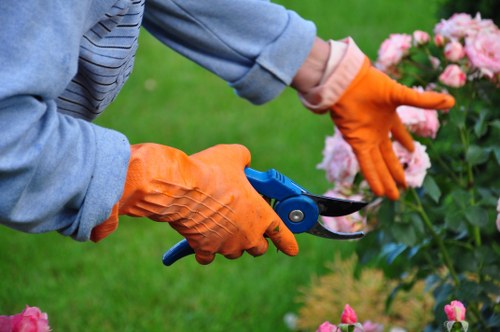
- Protective gloves resistant to cuts and chemicals.
- Eye protection and face shields when using detergents or when splash risk exists.
- Hearing protection for high-noise equipment and high-visibility clothing on busy streets.
Environmental Controls and Waste Management
 Plan for responsible wastewater collection and disposal to prevent contamination of drains, waterways or soft landscaping. Use containment mats, filter systems, or capture tanks where necessary. Avoid the use of harmful surfactants near storm drains; where biodegradable cleaners are chosen, document their use and ensure doses are minimized. Manage solid debris and removed weed material in sealed containers for appropriate disposal.
Operational Safety and Work Methods
Adopt work patterns that reduce fatigue: rotate operators on longer jobs and limit continuous handling of heavy hoses or machinery. Use two-person teams for larger driveways or when working in restricted spaces. When using high-pressure jets, maintain a safe stand-off distance and use controlled, sweeping motions to avoid surface gouging and ricochet hazards. For stubborn stains, employ low-pressure pre-treatment and agitation rather than increased pressure.
Emergency procedures must be clear: carry first aid kits, have telephone access for emergency services and provide all staff with information on who to contact for incident reporting. Maintain records of any injuries, near-misses and corrective actions taken to reduce reoccurrence.
Monitoring, Review and Continuous Improvement
Regularly review this policy following any incident, technological change or updates to best practice for driveway cleaning and pressure washing. Conduct periodic supervision and competency checks and use frontline feedback to refine safe work methods. Strong leadership, consistent training and clear documentation are the best safeguards for delivering safe, high-quality driveway power washing and pressure cleaning services within a gardening company service area.