Driveway Power Washing in London

Driveway Power Washing in London should restore the look of hardstanding without treating every surface in the same way. We clean block paving, concrete, slabs and other common driveway finishes with a careful approach that removes built-up dirt, algae and traffic staining while respecting the surface underneath. The aim is straightforward: a driveway that looks brighter, feels cleaner underfoot and is easier to maintain through the seasons.
Because driveways vary so much in material, age and condition, the most useful service is one that begins with the surface itself. Some driveways need a lighter wash and a soft rinse; others need a more robust jet-washing method to shift compacted grime from joints and textured areas. We also consider drainage, edging, nearby planting and access so the work is done cleanly rather than in a way that creates avoidable mess elsewhere.
If you are comparing options, it helps to think beyond a quick blast of water. A proper driveway clean should be matched to the material, the staining and the finish you want to preserve. If you would like a quotation, use the contact details on the site and send a few basics about the driveway and its current condition.
Driveway cleaning methods and surface care
Different driveways respond differently to cleaning pressure, water flow and cleaning pattern. Block paving often benefits from a method that clears the surface while leaving the jointing intact as far as practical. Concrete can usually take a firmer clean, but older or worn sections may need a more measured approach. Natural stone, resin-bound areas and decorative finishes need particular caution because the wrong technique can leave marks or lift the visual consistency of the surface.
We look at the type of staining before choosing how to clean it. Everyday dirt, tyre marks, algae and surface film usually respond well to washing and controlled agitation. Rust, oil or deeply set staining can be more stubborn and may need a different expectation: the goal may be a substantial improvement rather than an unrealistic promise of perfection. That is one reason a sensible quotation usually depends on the surface details rather than a one-size-fits-all price.
Where access allows, driveway washing is often most effective when the work is planned from the edges inward so the finish is even. A tidy sequence reduces missed patches, helps manage runoff and makes the result look consistent across the full area. For many homeowners, that consistency matters as much as the clean itself, especially when the driveway leads directly to the front of the property.
Driveway stains, weeds and finish details

Driveways collect more than loose dirt. Moss and algae can form in shaded sections, weeds can appear between blocks and fine grit can build up near kerbs, thresholds and wheel tracks. A good clean takes those smaller issues seriously because they are often what makes a driveway look neglected. Clearing the surface layer is only part of the work; the finish needs to look even when the water has gone and the area has dried.
Some customers also want help with the practical aftermath of cleaning. Depending on the surface and condition, that may include dealing with loose debris, brushing back the paving or discussing whether a further treatment would be worthwhile later on. We do not assume every driveway needs the same extras. Instead, we keep the focus on what the surface genuinely needs and what would improve the finished appearance without overcomplicating the job.
Key details that influence the clean include the driveway material, the amount of organic growth, the age of the surface, whether the joints are open or firm, and whether there are any delicate adjacent areas. The best quotation is usually based on these practical points rather than on the property’s appearance alone. That is the most reliable way to match the work to the surface and avoid unnecessary over-treatment.
Choosing the right driveway service
Not every customer wants the same level of work. Some are mainly interested in a refresh before visitors arrive; others want a deeper clean because algae, silt or tyre marking has become more noticeable. Our driveway service is designed to be flexible enough for both. The right choice is the one that balances the condition of the surface with the finish you want and the level of disruption you are prepared for.
It is also worth considering how the driveway connects to the rest of the property. A clean driveway can look unfinished if the patio, path or front step is heavily stained beside it. In some cases, customers combine the driveway with related external cleaning so the whole front approach feels more coherent. Where that is useful, it is often simpler to discuss the surfaces together rather than treat each one as if it were isolated.
When you request a quotation, a few practical details help keep the process accurate. A brief description of the surface, approximate size and any visible staining is usually enough to start. If there are access constraints, parked vehicles or awkward edges, mentioning them early helps set expectations clearly. That saves time for everyone and leads to a more useful price discussion.
Related exterior cleaning options
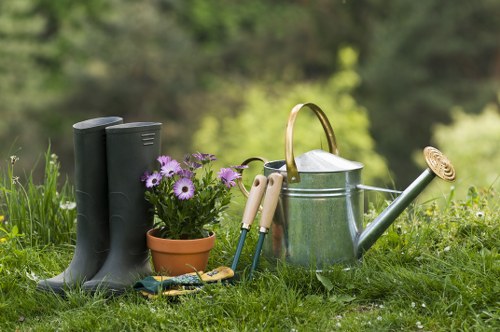
Although the core service here is driveway power washing, some properties benefit from a broader clean where adjacent hard surfaces are also tired or slippery. That may include paths, patios and other paved areas that have accumulated similar dirt and algae. Used well, a pressure-based clean can make these connected surfaces look more balanced, especially where they visually flow into one another around the front or side of the property.
If you are deciding what to include, it is sensible to prioritise the surfaces most visible from the street or used most often. Driveways are often the first focus because they carry vehicle traffic and usually show the strongest grime. Patios or side paths may follow if their condition affects the overall finish. This is not about adding unnecessary work; it is about making sure the most noticeable areas receive the level of attention they need.
For some customers, the best next step is to review the main service pages first and then ask for a tailored quotation once the scope is clear. That keeps the decision practical and helps avoid paying for work that is not needed. If you are planning a larger clean, it is worth being specific about which areas matter most and which can be left for another time.
Supporting driveway and patio surfaces
Where the driveway meets a patio or terrace, surface condition often differs by exposure. A shaded driveway may carry more algae, while a sunlit patio may show dust, food marks or weathering instead. Understanding those differences matters because each surface can need a slightly different approach. The right clean should respect the material and the use of the area rather than treating all paving as if it reacts the same way.
Some surfaces have decorative features that need careful handling, such as coloured blocks, patterned slabs or edging stones. On those areas, the best result usually comes from controlled cleaning rather than maximum force. It is often better to leave a stubborn patch slightly improved than to risk damaging the finish. Good exterior cleaning balances appearance with restraint, especially on older paving that has settled unevenly over time.
When a quotation is being prepared, it helps to note whether the driveway connects to steps, wall bases, rendered sections or planting beds. Those surroundings affect how the work is carried out and how cleanly runoff can be managed. A sensible, well-informed estimate usually reflects that wider layout, not just the square footage of the driveway alone.
About London
London is a large and layered city whose character has been shaped by centuries of change, expansion and rebuilding. The River Thames remains its defining geographic feature, curving through the centre and linking districts that range from historic riverfront settlements to later industrial and commercial quarters. The City of London preserves the ancient core, while the wider metropolis is divided into boroughs with their own identities, streetscapes and local centres. From the formal ceremonial spaces around Westminster to the dense urban texture of the East End, the city contains a striking mix of planned squares, medieval church remnants, Georgian terraces, Victorian housing and modern towers. Many areas also retain clear traces of former villages absorbed into the growing capital, with parish churches, older high streets and green spaces offering a reminder of pre-urban landscapes. Parks such as Hyde Park, Regent’s Park and Hampstead Heath provide major open areas within the built environment, while smaller commons, squares and canal-side walks add variety across the map. Transport infrastructure has also played a major role in shaping London, from the Underground and mainline railways to bridges, tunnels and roads that connect both banks of the river and the outer districts. Cultural life is equally varied, with museums, theatres, galleries, markets and places of worship reflecting the city’s long-standing diversity. The result is a place that can feel intensely local at street level and yet unmistakably metropolitan in scale, with each neighbourhood contributing a distinct layer to the whole.
Why driveway cleaning matters for the finish
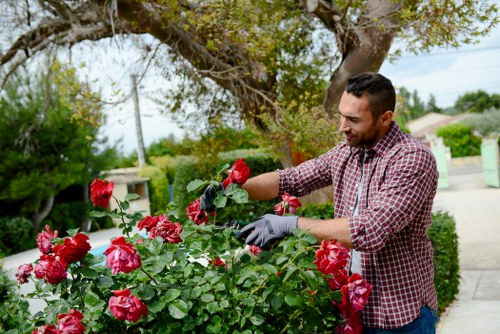
A driveway is often one of the first surfaces people notice when they arrive at a property, so its condition has an immediate effect on how the front of the home feels. Dirty paving can make even a tidy house look less cared for, while a well-cleaned driveway gives a more finished impression. The value here is not only visual. Removing slippery growth and built-up grime can make the area more comfortable to walk on and easier to keep tidy afterward.
There is also a maintenance aspect. Once dirt and organic growth begin to settle into joints and textured surfaces, they can be harder to remove later. Periodic cleaning helps stop the problem from building up too far. That does not mean every driveway needs frequent intensive washing, but it does mean waiting too long can make the job less straightforward. A measured clean at the right time is often more efficient than leaving the surface to deteriorate further.
Good preparation makes the result last better. If loose items are moved and access is clear, the work can focus on the driveway itself rather than around obstacles. That is especially helpful where vehicles, bins, planters or temporary items would otherwise interrupt the clean. A short conversation before the visit usually provides enough detail for the quotation and the practical plan.
Pressure washing and careful control
Pressure washing can be highly effective on driveways, but control matters as much as force. Too much pressure in the wrong place can loosen jointing, disturb soft edges or leave an uneven appearance on more delicate surfaces. The objective is to clean the driveway thoroughly while preserving its structure. That is why surface condition, age and material always deserve attention before work begins.
In practice, the best approach often uses a balanced combination of water pressure, nozzle control and cleaning direction. That helps remove ingrained dirt without creating visible striping or patchiness. On some drives, the pattern of staining is as important as the stain itself, especially where vehicles have left wheel tracks or where runoff has created darker sections along the lower edge. A consistent method produces a better visual result than a hurried pass.
For customers comparing service options, this is where a specialist driveway clean differs from a generic jet-wash. The purpose is not simply to make the surface wet and temporarily lighter; it is to restore a more even appearance with care. If you are unsure what level of clean your driveway needs, a few clear photos and a short description can help shape a more accurate quotation.
What to include in a quotation request
To keep a quotation practical, it helps to mention the surface type, approximate size and any obvious issues such as heavy moss, weeds, tyre marks or oil staining. If the driveway has multiple sections or different finishes, say so. That gives a clearer sense of the work involved and avoids over-generalising a property that may need a more tailored approach. The clearer the scope, the easier it is to price the job sensibly.
Access matters too. A driveway that is open and easy to reach may be straightforward, while one with limited space, awkward turning or parked vehicles may need more planning. If there is a side route, nearby gate or other constraint, include that detail in your enquiry. It is also helpful to state whether you want the driveway cleaned on its own or alongside other exterior surfaces. That keeps the conversation focused and prevents avoidable back-and-forth.
For a straightforward request, you do not need to write a long brief. A concise message is usually enough if it covers the main points. Just describe the driveway, the condition you can see and the type of finish you would like. Then you can ask for a quotation and decide how soon you would like the work carried out.
Service choices for different driveway finishes

Some driveways are laid for practicality, others for appearance, and many need both considered together. A plain concrete drive may prioritise a clean, uniform finish, while block paving often needs dirt removed from the joints and gaps as well as from the surface. Decorative paving can look dramatic when cleaned well, but it also shows mistakes more clearly. Matching the method to the finish is therefore a key part of getting a good result.
We also consider how the driveway will be used once it has been cleaned. A family drive with frequent vehicle movement may collect dirt again more quickly than a quieter frontage, while a driveway used mainly for visitor parking may need more emphasis on presentation. The point is not to overstate what cleaning can do, but to apply the right amount of attention to the finish that matters most. That is the best way to protect the appearance of the surface without unnecessary work.
If you are ready to move ahead, use the site to ask for a quotation. Keep it simple, include the main facts and mention any related surfaces if you want them considered as well. We can then review the scope and provide a response based on the details you share.